
Designing lifting equipment for high-temperature environments
Hot-line slab handling, foundry work, and any application where continuous equipment contact with heat is a design constraint — what to specify and what to ask for.
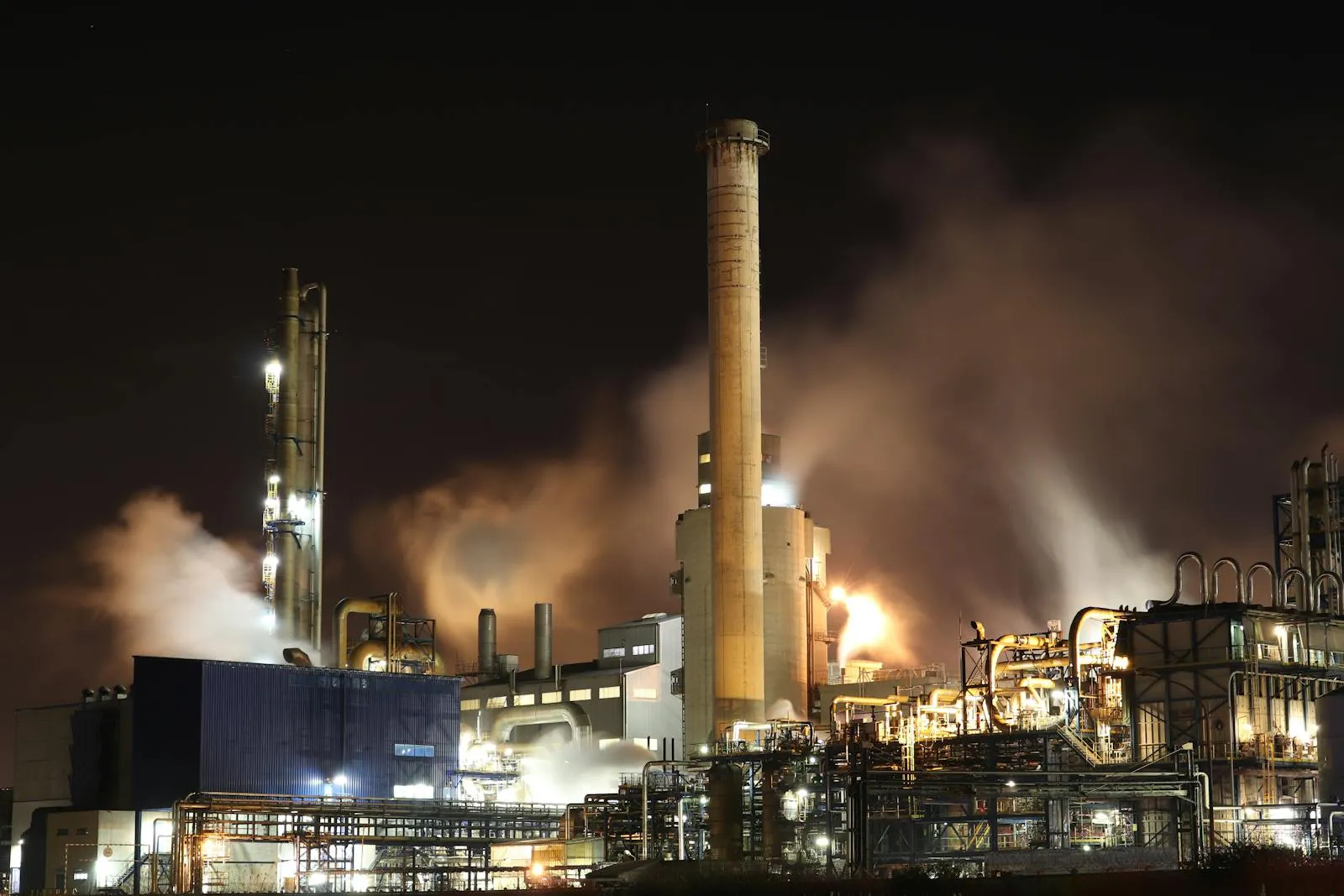
High-temperature lifting is a specialism — and one where designs that work well at ambient can fail spectacularly at 500 °C. Steel loses yield strength as it warms, paint systems blister and peel, hydraulic seals don’t survive, lubricants migrate out of bushes, and the whole failure-mode envelope shifts. Somers Handling designs hot-line slab tongs, foundry lifters and refractory-environment equipment for UK and international customers. Here are the design constraints that matter.
Characterise the thermal profile properly
“Hot” isn’t a specification. What you need to supply at enquiry:
- Peak load surface temperature at first contact with the lifter.
- Contact duration per cycle.
- Ambient temperature at the lifter’s working position — radiant heat from the load is often a bigger problem than the contact heat itself.
- Duty cycle — how many hot-load cycles per hour, per shift.
A slab tong gripping 450 °C slabs for 90 seconds per cycle is a very different design from a foundry grab handling 1,100 °C ladles for 15 seconds per cycle.
Structural material choice
Carbon structural steel loses around 10% of its yield strength by 400 °C and substantially more by 500 °C. For load-bearing members in direct thermal contact:
- Standard S355 structural steel is viable up to around 300–400 °C depending on safety-factor margin.
- Above 400 °C, we typically move to creep-resistant steels, 316 stainless, or specific heat-resisting alloys depending on the duty.
- Refractory shielding (dense ceramic fibre board or cast refractory) can reduce the load-member temperature enough to keep the structure in standard steel — at the cost of consumable wear parts that swap on a planned interval.
Finish and coatings
Two-pack epoxy paint systems work up to around 120–150 °C sustained exposure. For hot-line equipment you’ll typically see:
- Heat-resistant silicone-alkyd coatings for up to ~250 °C.
- Zinc-rich primer with aluminium pigment topcoat for heavier duty.
- Unpainted galvanising for extreme conditions where paint systems can’t survive.
Bearing and pin design
Bushes migrate, pins pick up oxide scale, and standard greases vaporise out of joints. Hot-line pin-and-bush assemblies typically use graphite-impregnated self-lubricating bushes or dry-running composites, with a planned-inspection interval rather than a lubrication schedule.
Thermal expansion
The load expands, the lifter expands. If the two expand by different amounts, jaw grip geometry changes — tongs can over-grip or lose grip within the same lift. Factor thermal-expansion analysis into the design; don’t hope.
In short
Hot-line design is solvable, but it’s specialism. The equipment lives longer, fails less catastrophically, and costs less over life if the thermal constraints are pinned down properly at specification. The cheapest hot-line lifter is one designed for the actual environment — not a cold-line lifter with uprated paint.
Tags
- Engineering
- High-temperature
- Slab handling
- Foundry
Related equipment
Automatic gravity scissor tongs
Hands-free latch-open, latch-close scissor tongs for slab lifting — operator-safe and suited to high-temperature environments.
View productSlab handling equipment
Tongs, grabs and bespoke solutions for steel, aluminium and foundry slab handling — foundry-rated and designed for high cycle counts.
View productBespoke lifting equipment
Custom lifting equipment engineered end-to-end for non-standard loads, duty cycles and environments — FEA-validated design.
View product