
LEEA 059 — spreader beams and lifting frames code of practice
Industry guidance from the Lifting Equipment Engineers Association that sits alongside BS EN 13155 for spreader beams and lifting frames — what it covers, what it adds, and why it matters at procurement.
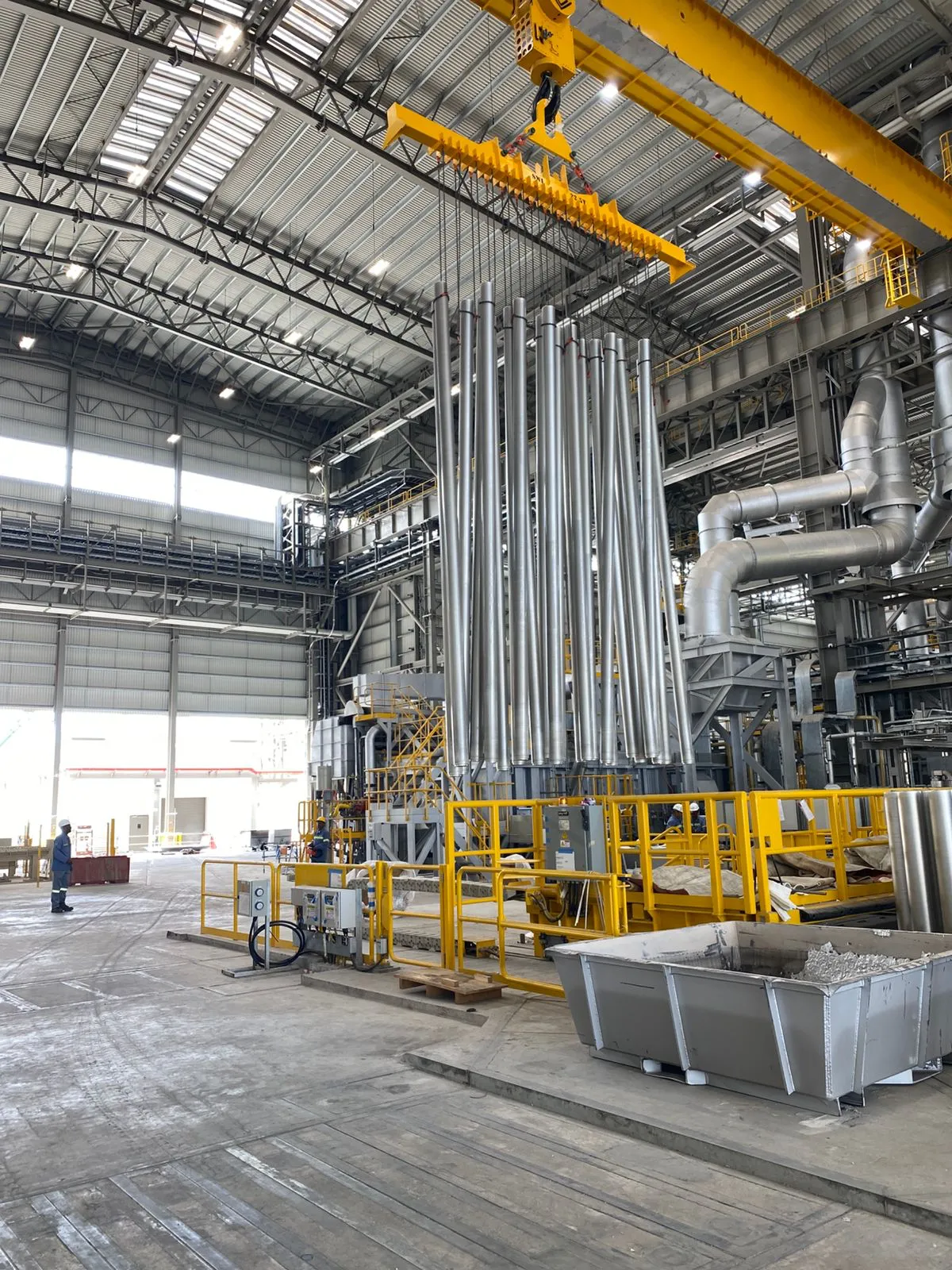
LEEA 059 — “Code of Practice for the Safe Use of Lifting Beams” — is the practical industry guidance published by the Lifting Equipment Engineers Association (LEEA) covering spreader beams and lifting frames. It sits alongside BS EN 13155 rather than replacing it: EN 13155 is the harmonised design-and-manufacture standard, and LEEA 059 captures the working practice that the formal standard doesn’t make explicit.
Who LEEA is
The Lifting Equipment Engineers Association is a UK-founded, globally-active trade association for lifting equipment manufacturers, inspectors and suppliers. Membership is voluntary but well-regarded — LEEA members commit to technical standards, auditable quality systems and defined competence frameworks. For buyers, LEEA membership is a useful indicator that a supplier has skin in the industry’s reputation rather than existing as a one-off operation.
What LEEA 059 covers
The code addresses spreader beams and lifting frames across their working life, including:
- Design considerations — load cases, safety factors, geometry, material selection, fatigue considerations — framed alongside the formal BS EN 13155 design requirements.
- Manufacturing practice — welding, NDT, marking, surface treatment and proof-load testing.
- Procurement documentation — what the customer should expect in the supply pack at delivery.
- In-service inspection — beyond the statutory LOLER thorough examination, what routine pre-use checks should look like for these specific appliances.
- Competence expectations — for designers, manufacturers and in-service inspectors of spreader beams.
How it differs from BS EN 13155
BS EN 13155 tells you what a compliant spreader beam looks like: the structural strength requirements, the safety factor multipliers, the testing regime, the marking rules. LEEA 059 tells you how to actually procure, commission and look after one in the real world of UK industry — including aspects like:
- How to specify a bespoke beam so the design case matches the lifting environment.
- What to ask for in the design-approval pack before manufacture starts.
- How to manage the proof-load test — witnessed or unwitnessed, in-works or on site.
- What an in-service inspection should cover between statutory thorough examinations.
- How to handle repair versus replacement decisions on an older beam.
For a duty-holder buying their first bespoke spreader beam, LEEA 059 turns the formal standard into something workable.
Why it matters at procurement
Three practical implications:
- Choose a LEEA-member supplier if you can. Membership signals that the supplier works to an auditable competence framework for design and inspection.
- Ask your supplier explicitly whether they design to LEEA 059 alongside BS EN 13155. A supplier that can talk fluently about the code is usually easier to work with through the design cycle.
- Use LEEA 059 as the framework for your own written examination scheme under LOLER. It’s better-suited to spreader beams and lifting frames than a generic LOLER template.
In short
BS EN 13155 is the formal standard for non-fixed load lifting attachments. LEEA 059 is the industry guidance that turns that standard into usable day-to-day practice, specifically for spreader beams and lifting frames. A good supplier designs to BS EN 13155, works to LEEA 059 and supplies the documentation pack to match both.
Somers Handling designs and manufactures spreader beams and lifting frames to BS EN 13155 and the LEEA 059 code, supplied with the full engineering and documentation pack. See our spreader beams and lifting frames page for capability or send your load drawings via the contact form for a quote.
Tags
- Standards
- LEEA
- Spreader beams
Related equipment
Spreader beams and lifting frames
Bespoke and modular spreader beams, H-frames and balanced lifting frames to BS EN 13155 — CAD-engineered to your load geometry.
View productBespoke lifting equipment
Custom lifting equipment engineered end-to-end for non-standard loads, duty cycles and environments — FEA-validated design.
View product